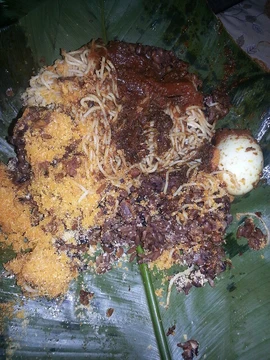
Kontomire stew
A Ghanaian stew made from cocoyam leaves, popular in home cooking.
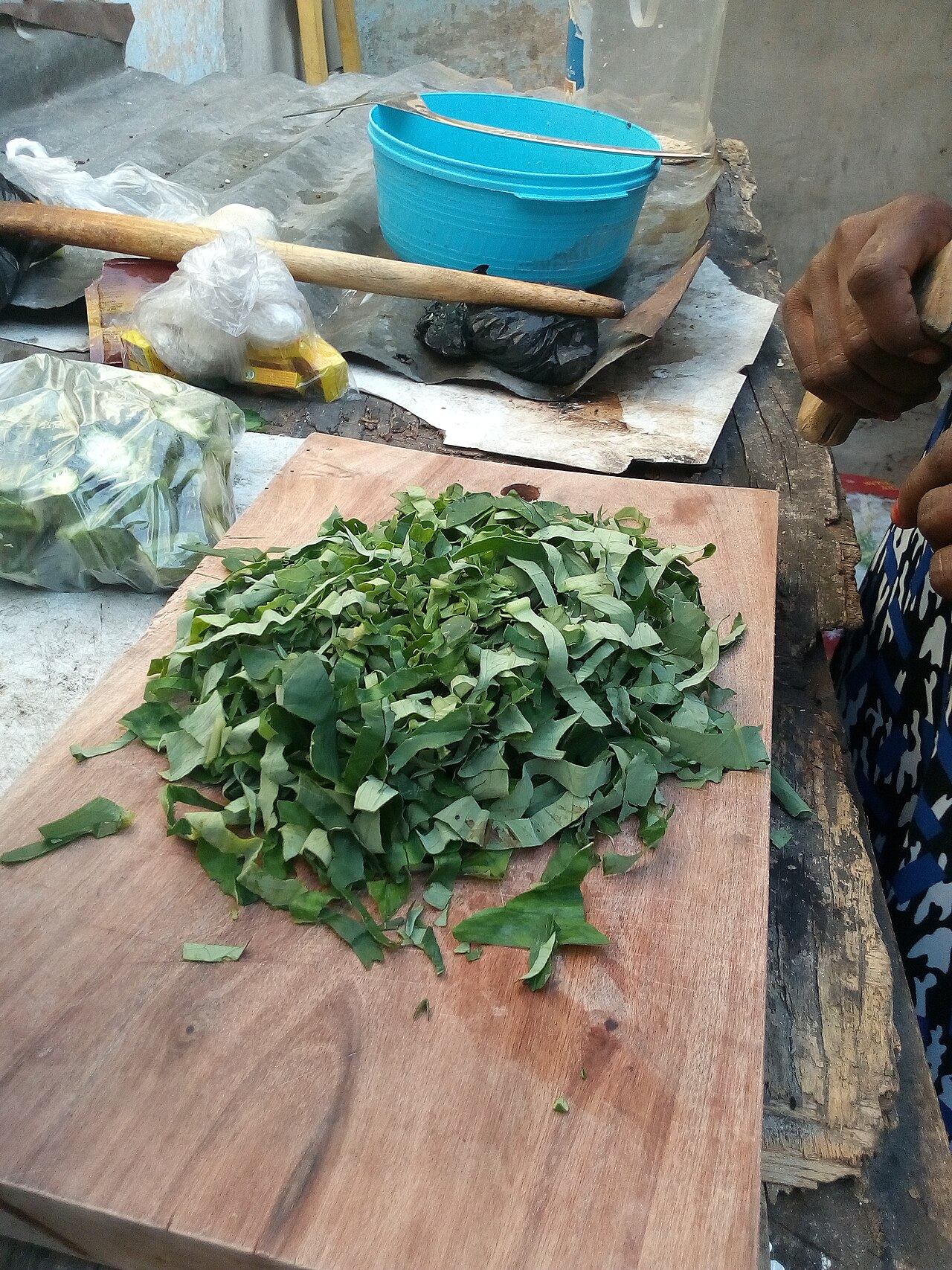
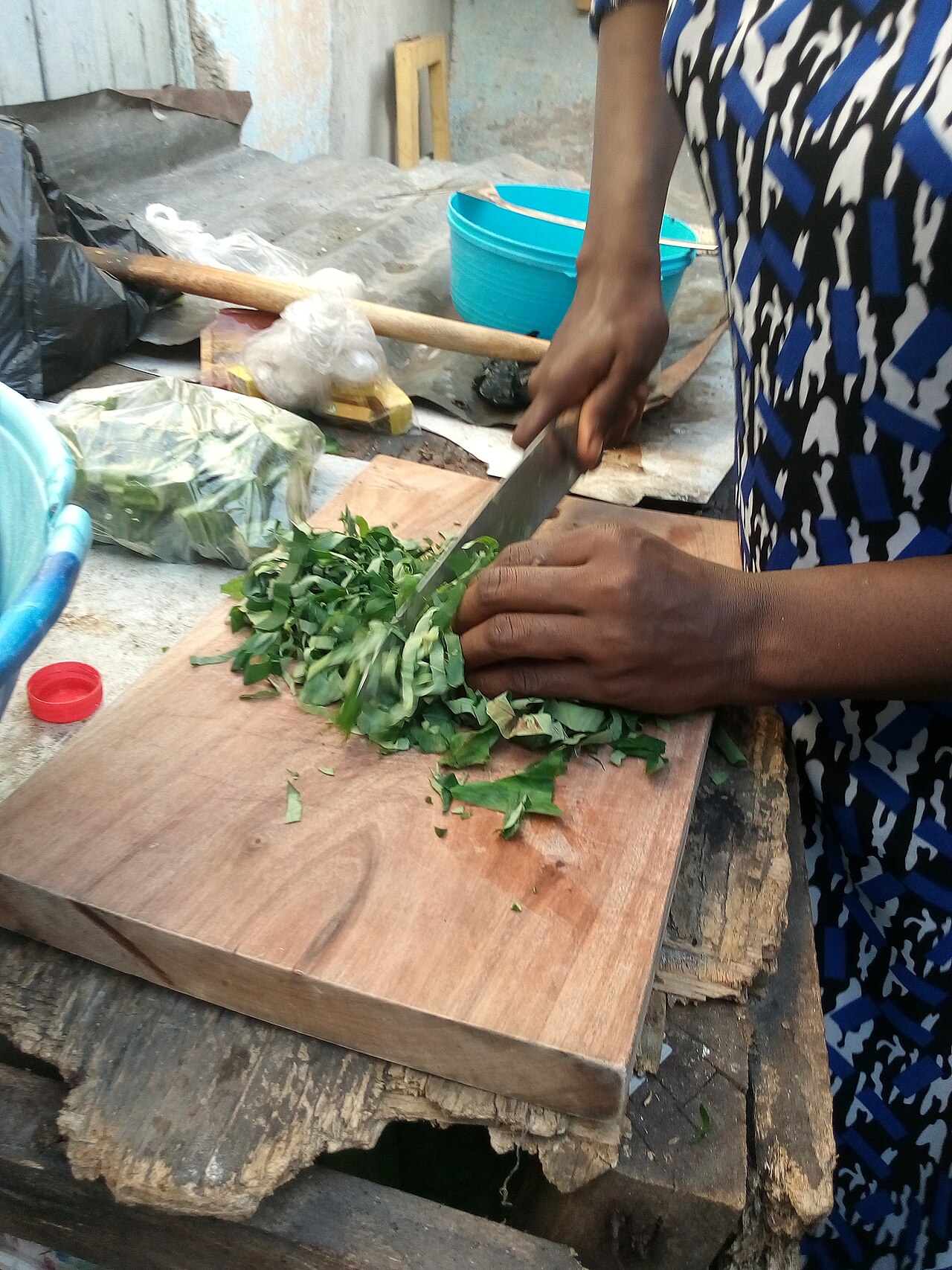
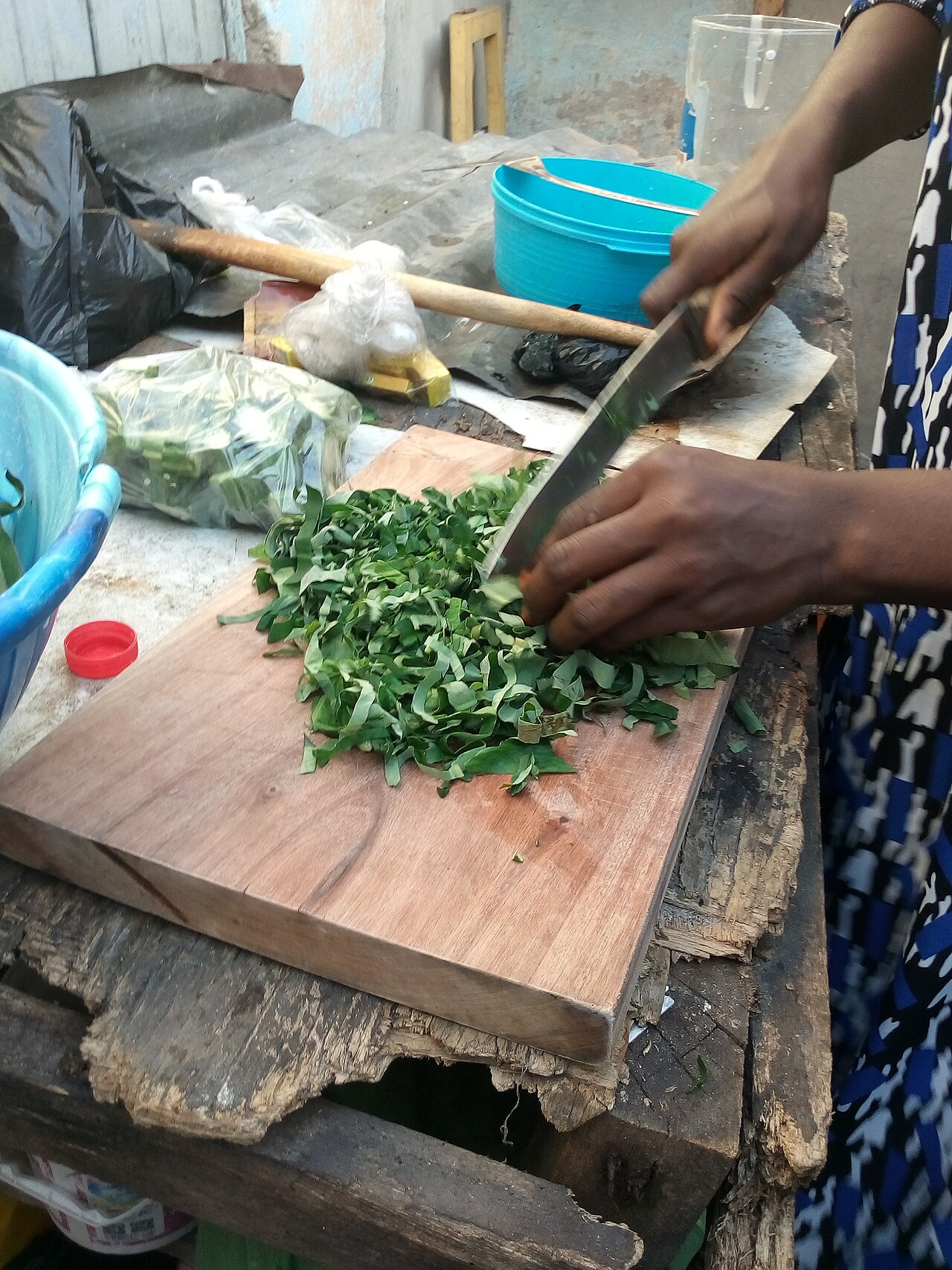
Kontomire stew is a stew made from cocoyam leaves, known in the Akan language as kontomire. It is commonly prepared in the home and is very popular in Ghanaian cuisine. The stew is a regional variation of the broader West African dish known as palaver sauce or palava sauce, which is widely eaten in countries including Ghana, Liberia, and Sierra Leone.
- also_known_as
- Kontomire stew, palaver sauce, palava sauce, plasas
- main_ingredient
- Cocoyam leaves (kontomire)
- region
- West Africa, particularly Ghana
- common_servings
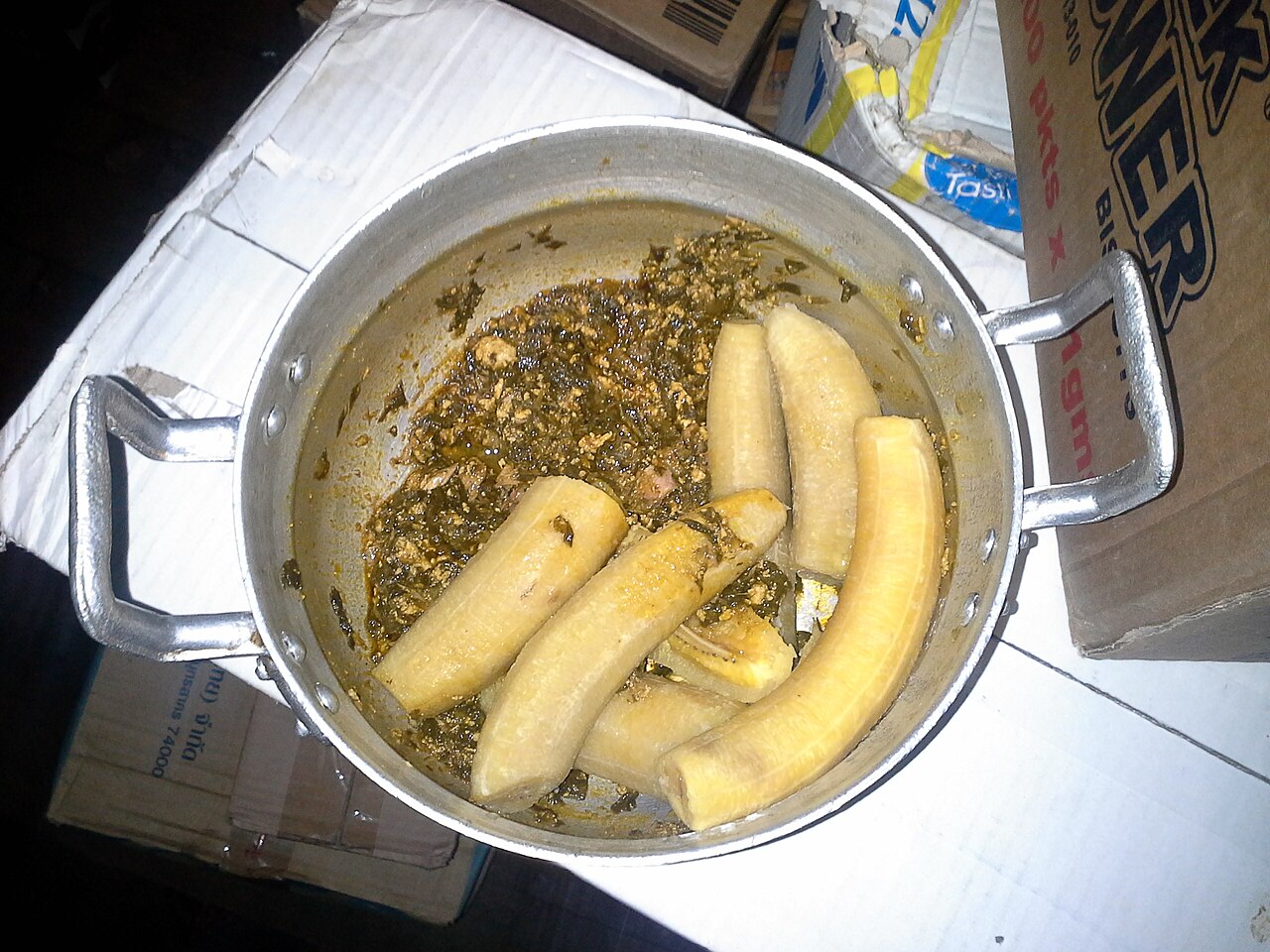
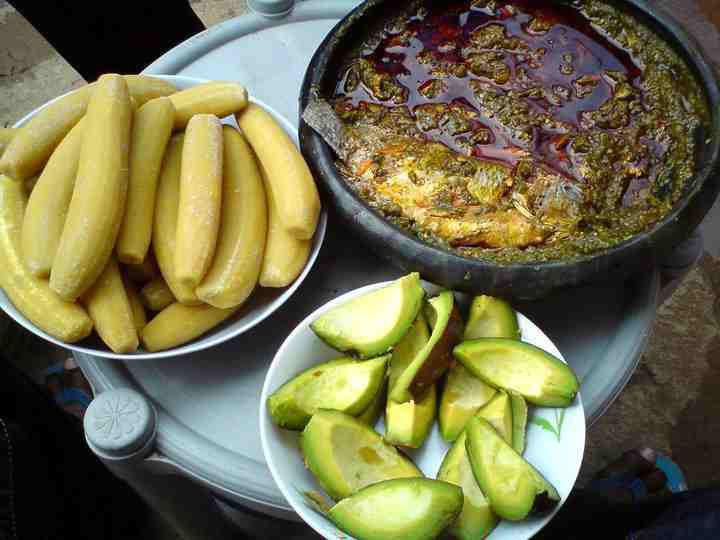
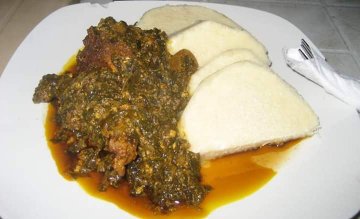
- Steamed rice, cooked yam, plantain
- other_names
- Kontomire, kentumere, nkontommire, pla'sas
Lore & Background
Kontomire stew is a specific Ghanaian version of the broader West African dish known as palaver sauce. The name 'palava sauce' is said to originate from the people of Elmina, on the south-east coast of Ghana. The word 'palaver' itself derives from the Portuguese language, meaning a talk, lengthy debate, or quarrel, though it is unclear how this led to the name of the stew. One theory suggests the spices mingle together like raised voices in an argument, and the dish has been thought of as having the power to calm tensions, or to cause them.
Reader's Guide
Kontomire stew holds significance as a staple in Ghanaian cuisine, commonly prepared in homes and served with a variety of dishes such as steamed rice, cooked yam, and plantain. It is part of a larger family of West African stews known as palaver sauce, which has regional variations across Ghana, Liberia, and Sierra Leone. The stew can contain beef, fish, shrimp, pepitas, cassava, taro (cocoyam) leaves, and palm oil. Outside of Africa, spinach is often used as a substitute for other greens. In Ghana, the stew primarily consists of cocoyam leaves, palm oil, egusi, dried fish, fresh tomatoes, pepper, and egg. The leaves used to make this soup in Liberia are called molokhia or mulukhiyah leaves. Its legacy lies in its widespread home preparation and its role in the diverse culinary traditions of West Africa.
Did You Know?
- The name 'palava sauce' is said to originate from the people of Elmina, on the south-east coast of Ghana.
- One theory for the name 'palaver sauce' is that the spices mingle together like raised voices in an argument.
- In Ghana, kontomire stew primarily consists of cocoyam leaves, palm oil, egusi, dried fish, fresh tomatoes, pepper, and egg.
- Outside of Africa, spinach is often used as a substitute for the greens in this stew.
Position Within the Ghanaian Culinary Framework
Ghanaian cooking is built on a remarkably consistent structural principle: a starchy staple forms the foundation, a sauce or soup provides the liquid and flavor, and a protein source completes the plate. Kontomire stew occupies the second of these three essential roles, functioning as the aromatic, saucy element that transforms a simple starch into a full meal. Within this framework, it belongs to the vast family of Ghanaian soups and stews whose recipes share a common backbone of tomatoes, hot peppers, onions, and locally grown botanical species. Because these ingredients dominate the cooking, the finished dish takes on the characteristic deep red or vivid orange hue that immediately signals its Ghanaian origin to anyone who has encountered the cuisine. The stew does not stand alone; it is designed to be scooped, wrapped, or dipped into by the accompanying starch, making the two components inseparable in practice even though they are distinct in preparation.
Flavor Architecture and the Signature Hue
The taste and visual identity of Kontomire stew are shaped by a small but powerful set of base ingredients that run through nearly every Ghanaian soup and stew. Tomatoes provide the body and acidity, hot peppers contribute heat and depth, onions add sweetness and aromatic complexity, and a range of locally sourced botanical species rounds out the profile. Together, these elements create the unmistakable red-to-orange coloration that defines the appearance of most Ghanaian stews, jollof dishes, and soups. The result is a dish whose visual presentation is as distinctive as its flavor: a rich, warm-toned sauce that contrasts beautifully against the pale or white starches it accompanies. This color is not merely cosmetic; it is the direct culinary consequence of the tomato-and-pepper foundation that has been central to Ghanaian stew-making for generations. No matter which specific starch is paired with the stew, the signature hue remains a constant visual marker of the dish's place within the broader Ghanaian culinary tradition.
Staple Companions and Regional Pairings
Kontomire stew is never consumed in isolation; it is always the liquid partner to a starchy staple, and the choice of that staple can vary significantly by region and personal preference. In southern Ghana, cassava and plantain dominate the starch landscape, meaning the stew might be wrapped in fufu, scooped with banku, or eaten alongside kenkey. In the north, millet and sorghum take the lead, with dishes like tuozaafi or yoroyoro offering a firmer, grain-based counterpoint. Across the country, yam, maize, and beans appear as versatile options, while sweet potatoes and cocoyam add further variety. The starch-and-stew pairing is so fundamental to Ghanaian eating that even bean-based dishes like red red, which deviate from the standard formula, still rely on a stewed, saucy component. The versatility of the stew means it can adapt to dozens of different starches, from the fermented corn dough of kenkey to the pounded cassava of fufu, without losing its identity as the unifying flavor element of the meal.
Agricultural Heritage and the Blend of Old and New
The ingredients that go into Kontomire stew reflect a culinary history spanning indigenous cultivation and later external influences. At its core, Ghanaian food culture depends heavily on traditional crops grown within the country's own soil—cassava, plantain, yam, maize, millet, sorghum, beans, and various local botanical species that form the backbone of both the stew and its starch companions. Layered on top of this indigenous foundation are crops and techniques that arrived through colonial contact and subsequent globalization. Rice, for instance, has become increasingly woven into Ghanaian cooking, appearing in dishes from jollof rice to waakye, while wheat has found its way into everyday bread. This blending of old and new is not a disruption of tradition but an evolution of it. Kontomire stew, with its reliance on tomatoes, peppers, onions, and local species, sits firmly within the traditional stream, yet it exists in a kitchen where globalized ingredients are increasingly present, making it both a rooted and a living part of Ghanaian food culture.
Gallery
Frequently Asked Questions
What exactly is Kontomire stew?
It is a Ghanaian stew built around cocoyam leaves, called "kontomire" in the Akan language. It sits at the heart of everyday home cooking and is one of the most recognizable dishes in Ghanaian cuisine.
What does Kontomire stew typically get served with?
The stew is most often paired with steamed rice, cooked yam, or plantain. These starchy sides act as the base that soaks up the leafy broth.
How does Kontomire stew connect to other West African dishes?
It is essentially Ghana's regional take on the broader West African dish known as palaver sauce (also called palava sauce or plasas). That same leafy-stew tradition stretches across Ghana, Liberia, and Sierra Leone.
What other names do people use for this dish?
Beyond "Kontomire stew," you will also hear kentumere, nkontommire, or pla'sas depending on the region or family. The variations mostly trace back to how different Akan dialects render the word for cocoyam leaves.
Why is Kontomire stew important in Ghanaian food culture?
It holds a central place in Ghanaian home cooking because it is affordable, nourishing, and deeply tied to family meals. Its status as a regional version of the wider palaver sauce tradition also makes it a point of culinary connection across West Africa.
More in Ghanaian cuisine 1-20
Spotted an error? Know more?
This is a living reference — every entry is fact-audited, and reader corrections feed straight into our audit queue. Suggest an edit · See this site's audit record