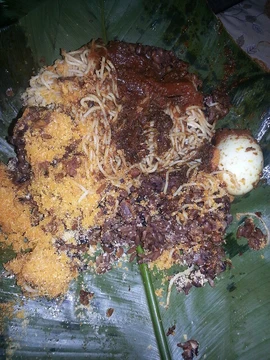
Garri
West African cassava flour staple used in diverse dishes.
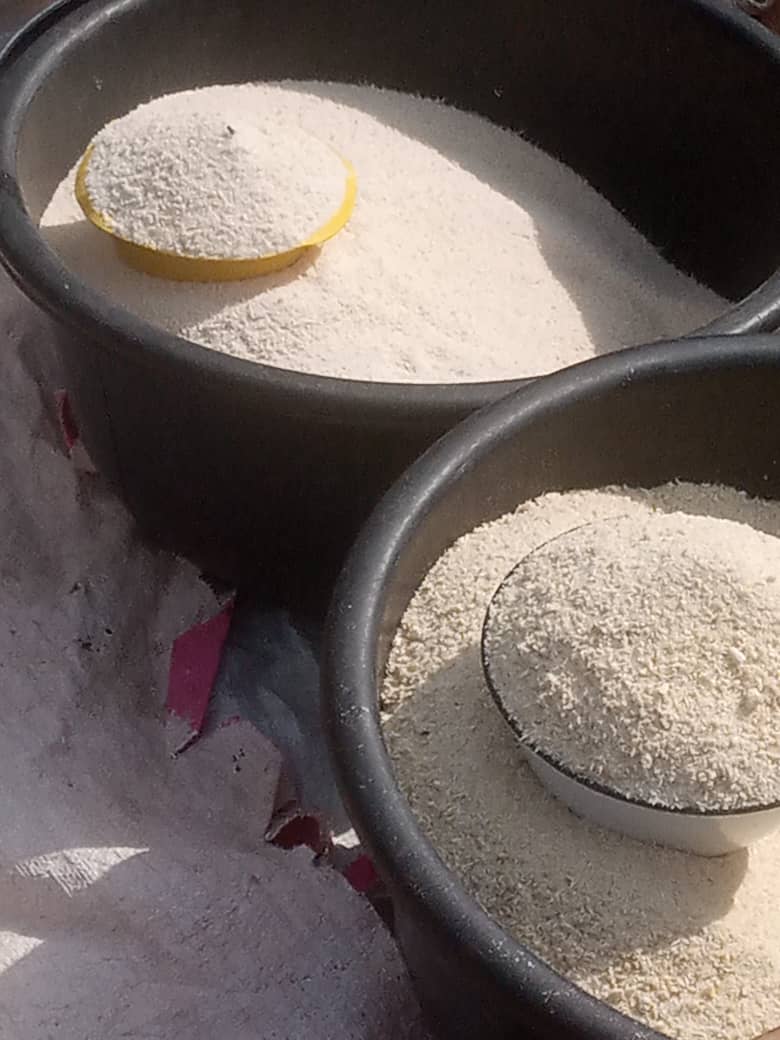
Garri (also known as gari, galli, or gali) is a flour made from fresh, starchy cassava root, varying in texture from coarse to fine. It is a staple food in West Africa, particularly in Nigeria, Benin, Togo, Ghana, Guinea, Cameroon, and Liberia, where it is used in a variety of dishes including eba, kokoro, and soaked garri.
- field
- Food staple
- region
- West Africa
- known_for
- Staple flour from cassava, used in eba, kokoro, and soaked garri
- main_ingredient
- Cassava root
- varieties
- White and yellow garri
Lore & Background
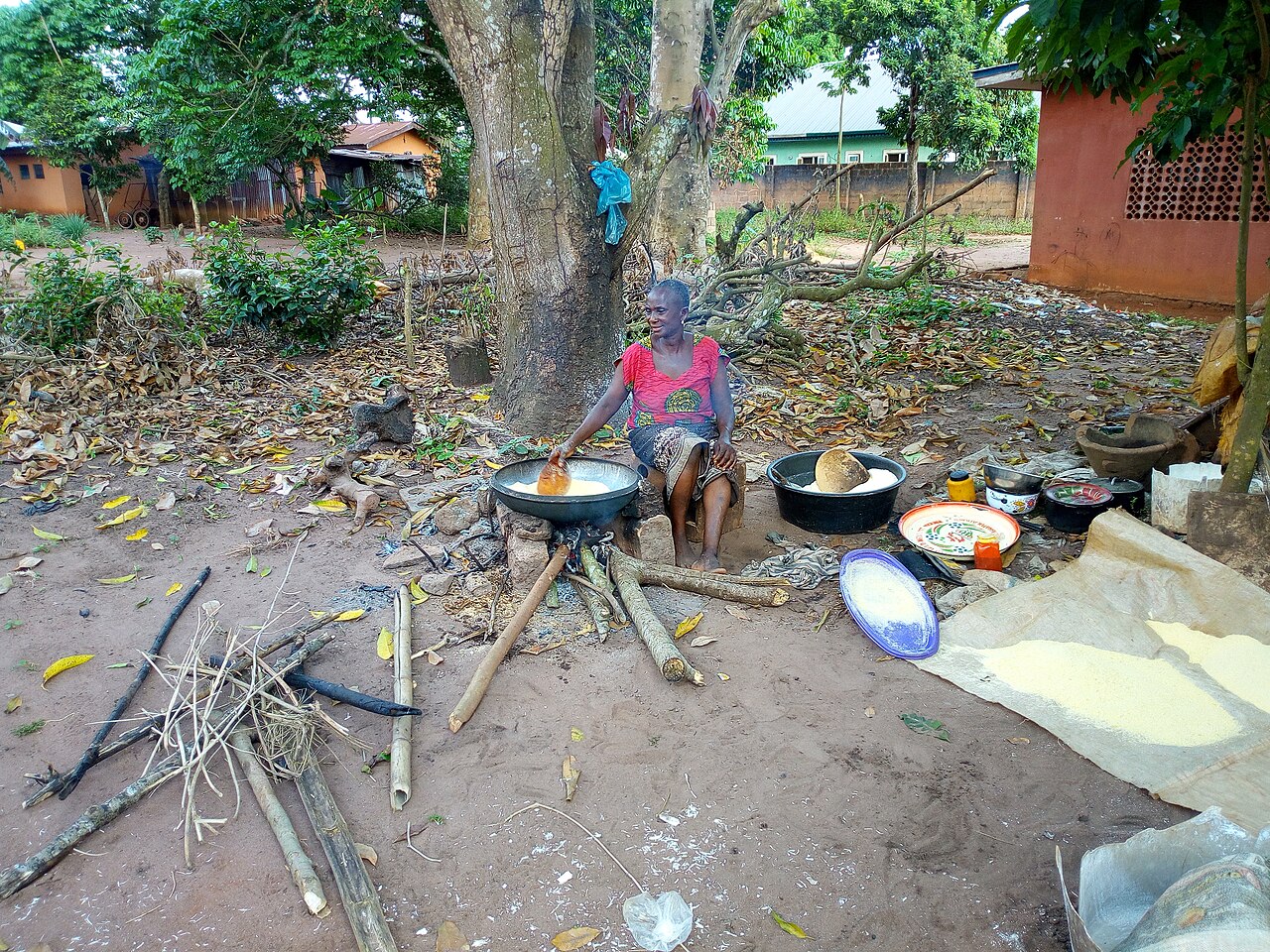
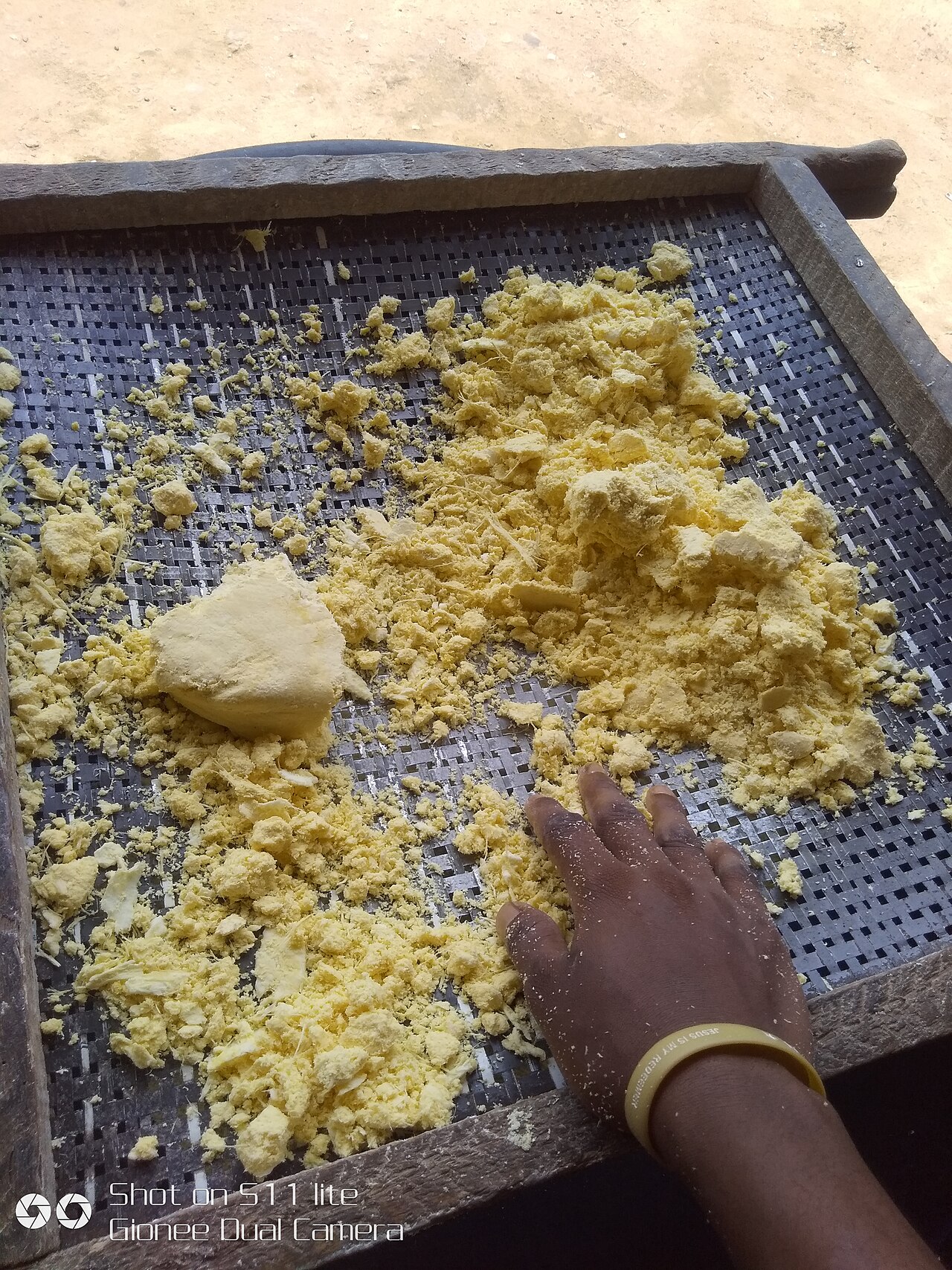
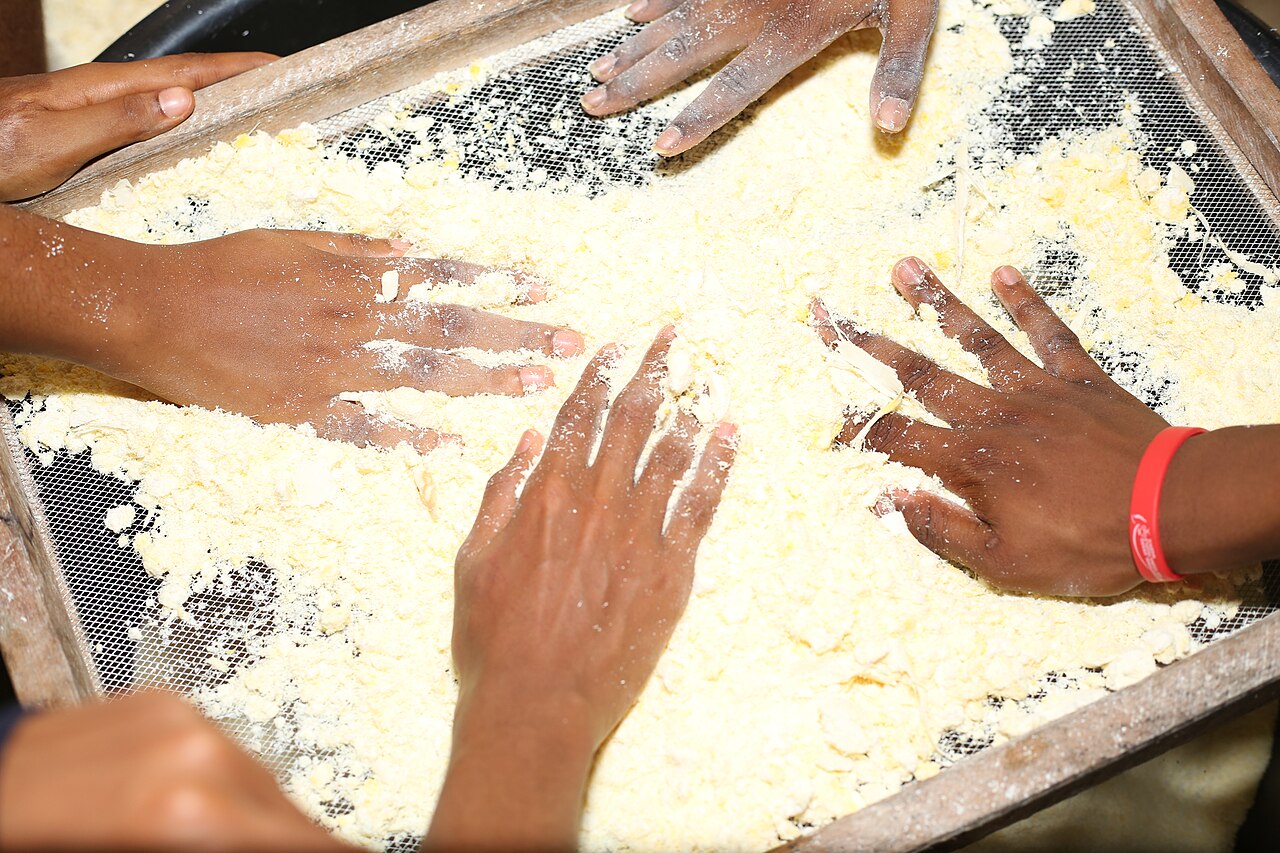
Garri is produced by uprooting, peeling, washing, and grating cassava tubers to produce a mash. The mash, sometimes mixed with palm oil, is placed in a porous sack and pressed for 1–24 hours to remove excess water. After drying, it is sieved and fried in a large stainless steel or aluminum pot, with or without palm oil, resulting in a dry, granular flour that can be stored for long periods. Garri comes in rough, medium, and smooth consistencies.
In West Africa, two types of garri exist: white and yellow. Yellow garri is prepared by adding palm oil before the fermenting stage of the cassava mash, or by using a yellow-fleshed breed of cassava. White garri is fried without palm oil. Variations include garri-Ijebu, produced mainly by the Yoruba people of Ijebu in Nigeria. In Ghana, garri is classified by taste and grain size, with sweeter, finer grains more valued.
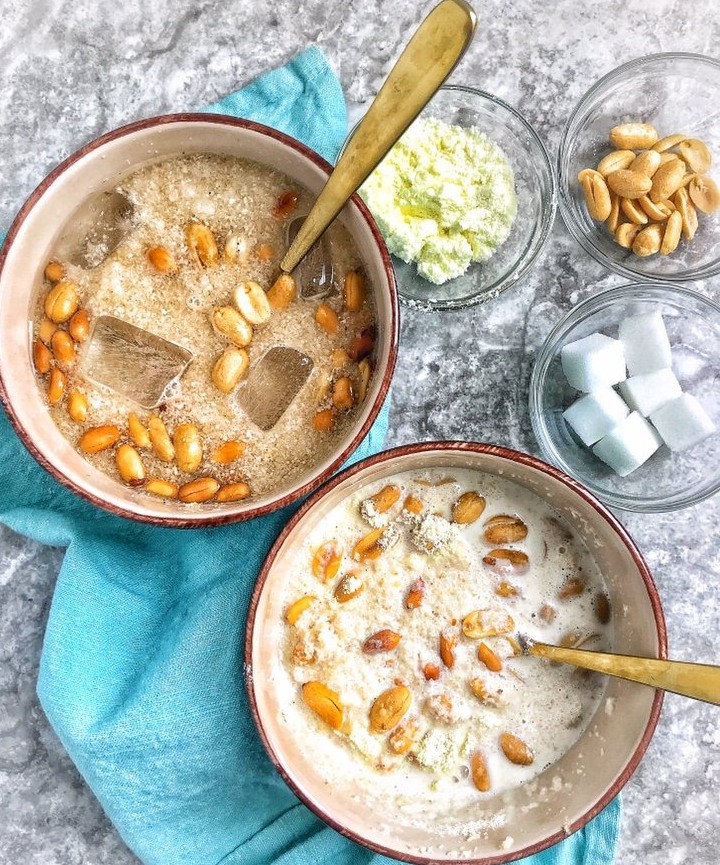
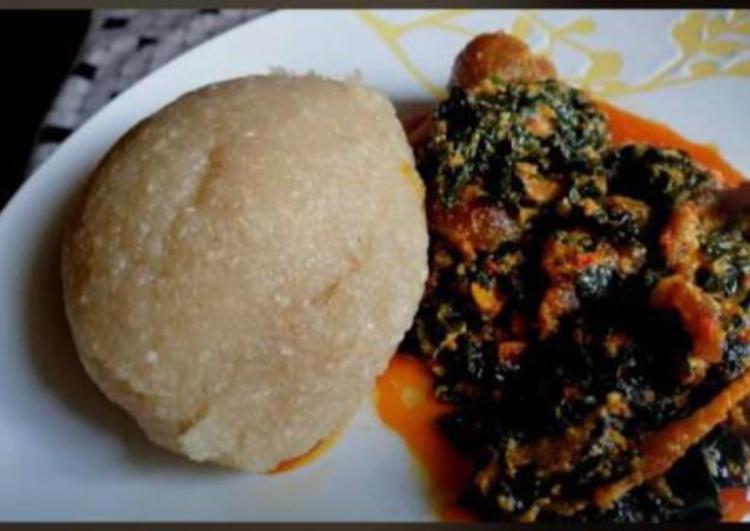
Garri is used to make eba, a stiff dough soaked in hot water and kneaded with a wooden baton, served with soups like okra soup, egusi soup, and vegetable soup. It is also eaten as a snack in kokoro, a deep-fried paste of maize flour, garri, and sugar. Soaked in cold water with sugar or honey, and sometimes peanuts or evaporated milk, it serves as a light meal. In Liberia, it is used in a dessert called kanyan with peanuts and honey.
Reader's Guide
Garri is a foundational food in West African cuisine, serving as a versatile staple that can be prepared as a dough, snack, cereal, or accompaniment. Its significance lies in its long shelf life and adaptability, allowing it to be stored for extended periods and used in both savory and sweet dishes. The production process, which involves pressing and frying cassava mash, removes naturally occurring cyanohydrin toxins, making cassava safe for consumption. Garri's cultural importance is evident in its many regional variations, such as white and yellow garri, and its use in traditional dishes like eba, kokoro, and soaked garri. It is also a key ingredient in meals like gobɛ (garri with beans) in Ghana and yoo ke garri in Ghana and Togo. The flour's classification by grain size and taste in Ghana reflects consumer preferences, while commercial vendors favor coarser grains for higher yield when soaked. Garri's legacy endures as a daily dietary staple across multiple West African countries, supporting food security and culinary traditions.
Did You Know?
- Garri is made from fresh, starchy cassava root and varies in texture from coarse to fine.
- Heat used in garri preparation helps remove thermolabile cyanohydrin toxins naturally occurring in cassava.
- In the Hausa language, garri can also refer to flours made from guinea corn, maize, rice, yam, plantain, and millet.
- Yellow garri is prepared by adding palm oil before the fermenting stage of the cassava mash.
Identity & Staple Role
Garri is a form of cassava flour that occupies a central place in the daily eating habits of southern Ghana, where cassava stands as one of the principal starchy staples alongside plantain. It belongs to a broader culinary tradition in which the meal is built around a carbohydrate base that is then paired with a sauce, soup, or stew and a source of protein. Unlike the millet and sorghum that dominate the northern regions, or the maize preparations found throughout the country, garri represents the cassava tradition of the south. Its status as a staple is rooted in the fact that Ghanaian cooking draws heavily on indigenous food crops cultivated locally, even as the wider cuisine has absorbed elements introduced through colonial contact and later globalisation. Within this landscape, garri is not a luxury or an occasional treat but a foundational element that appears on tables across the region, anchoring meals in the same way that yam, maize, and beans do elsewhere in the country.
Preparation & Texture
Garri offers two distinct ways of being prepared and consumed, giving it a flexibility that sets it apart from many other Ghanaian starches. In its simplest form, the cassava flour is eaten dry alongside beans, requiring no cooking or kneading at all. Alternatively, it can be combined with tomatoes and spices and then worked by hand into a cohesive mass through kneading. This second method aligns garri with the broader pattern of Ghanaian cooking, where tomatoes, hot peppers, and onions form the backbone of nearly every soup and stew, lending the finished dish its characteristic red or orange hue. The kneaded version transforms the dry flour into something with body and texture, while the dry version retains a crumbly, granular quality. Both approaches honour the same principle: the starch serves as the canvas onto which the bold, peppered, tomato-rich sauces of Ghanaian cuisine are applied. Whether dry or kneaded, garri remains a vehicle for flavour rather than a standalone dish.
The Meal Framework
In Ghanaian cuisine, no single food exists in isolation. The meal is structured around a starchy staple that is always accompanied by a sauce or soup and a source of protein, and garri fits squarely into this tripartite framework. When garri is served, it is the starch component, and it expects to be paired with something that provides moisture, flavour, and sustenance. This structural role is consistent across the country, whether the starch is millet in the north, maize in the central regions, or cassava in the south. The cuisine also reflects a layered history: traditional crops grown in Ghana form the base, while ingredients and techniques introduced through colonial contact and global trade have been woven in over time. Garri, as a cassava product, belongs to the older, indigenous layer of this food culture. It is not a borrowed or adapted dish but a homegrown staple that has shaped how meals are assembled and eaten in the regions where cassava thrives.
Pairings & Accompaniments
The most celebrated pairing for garri is red red, a popular Ghanaian stew of beans and fish that is served with fried ripe plantains. The dish gets its name from the deep red colour of the palm oil that coats the bean stew and the vivid orange of the fried plantains. Garri is frequently placed alongside this stew, along with fish and pulses, creating a meal that balances the soft, saucy beans with the dry or kneaded texture of the cassava flour. In some preparations, a boiled egg is added to the stew, and when the season allows, ripe avocado is included as well. Beyond red red, garri is also commonly served with shito and fish, offering a spicier, more pungent accompaniment. These pairings illustrate how garri functions as a versatile companion: it absorbs the rich, oily flavours of the stew or the sharp heat of shito, while its own mild, starchy character provides a neutral counterpoint that lets the bold seasonings of Ghanaian cooking shine.
Gallery
Frequently Asked Questions
Who is Garri?
Garri is a starchy flour made from fresh cassava root and stands as one of West Africa's most essential food staples. It is also referred to as gari, galli, or gali, and its texture can range anywhere from coarse to fine.
What are Garri's powers or role in the kitchen?
Garri is the foundational ingredient behind several beloved dishes, most notably eba (a thick porridge), kokoro (a fermented drink), and simply soaked garri eaten as a quick snack. Its versatility lets a single dry flour transform into a hearty meal or a refreshing beverage.
How does Garri's story end?
Garri's story never truly ends because it remains a daily, ever-present staple across Ghana, Nigeria, Benin, Togo, Guinea, Cameroon, and Liberia. It continues to anchor West African meals with no sign of losing its central role in the kitchen.
Why is Garri important to West African cuisine?
As a cassava-derived flour, garri offers a reliable, energy-dense source of carbohydrates that has sustained communities for generations. Its importance is visible in the sheer number of distinct preparations built around it, from porridges to fermented drinks.
What are Garri's known varieties?
Garri is most commonly encountered in two color types—white and yellow—each carrying a slightly different flavor and texture. The yellow variety tends to be a touch sweeter, while the white is more neutral, and both can be ground coarse or fine.
More in Ghanaian cuisine 1-20
Spotted an error? Know more?
This is a living reference — every entry is fact-audited, and reader corrections feed straight into our audit queue. Suggest an edit · See this site's audit record