Ghanaian cuisine
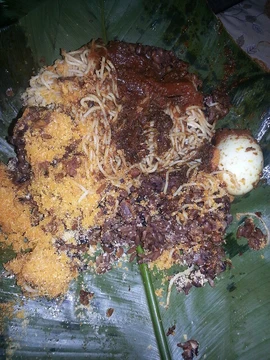
Ghanaian cuisine centers on starchy staples with soups or stews.

Wikipedia / Wikimedia Commons
Ghanaian cuisine encompasses the cooking traditions of Ghana, centered on starchy staple foods accompanied by sauce, soup, and a source of protein. Its dishes rely heavily on traditional food crops grown in Ghana, combined with crops introduced through colonial and globalized influences.
- field
- Cuisine
- nationality
- Ghanaian
- known_for
- Staple foods such as fufu, banku, jollof rice, and soups like groundnut and palm nut soup
- staple_ingredients
- Tomatoes, hot peppers, onions, cassava, plantain, maize, yam, rice
Lore & Background
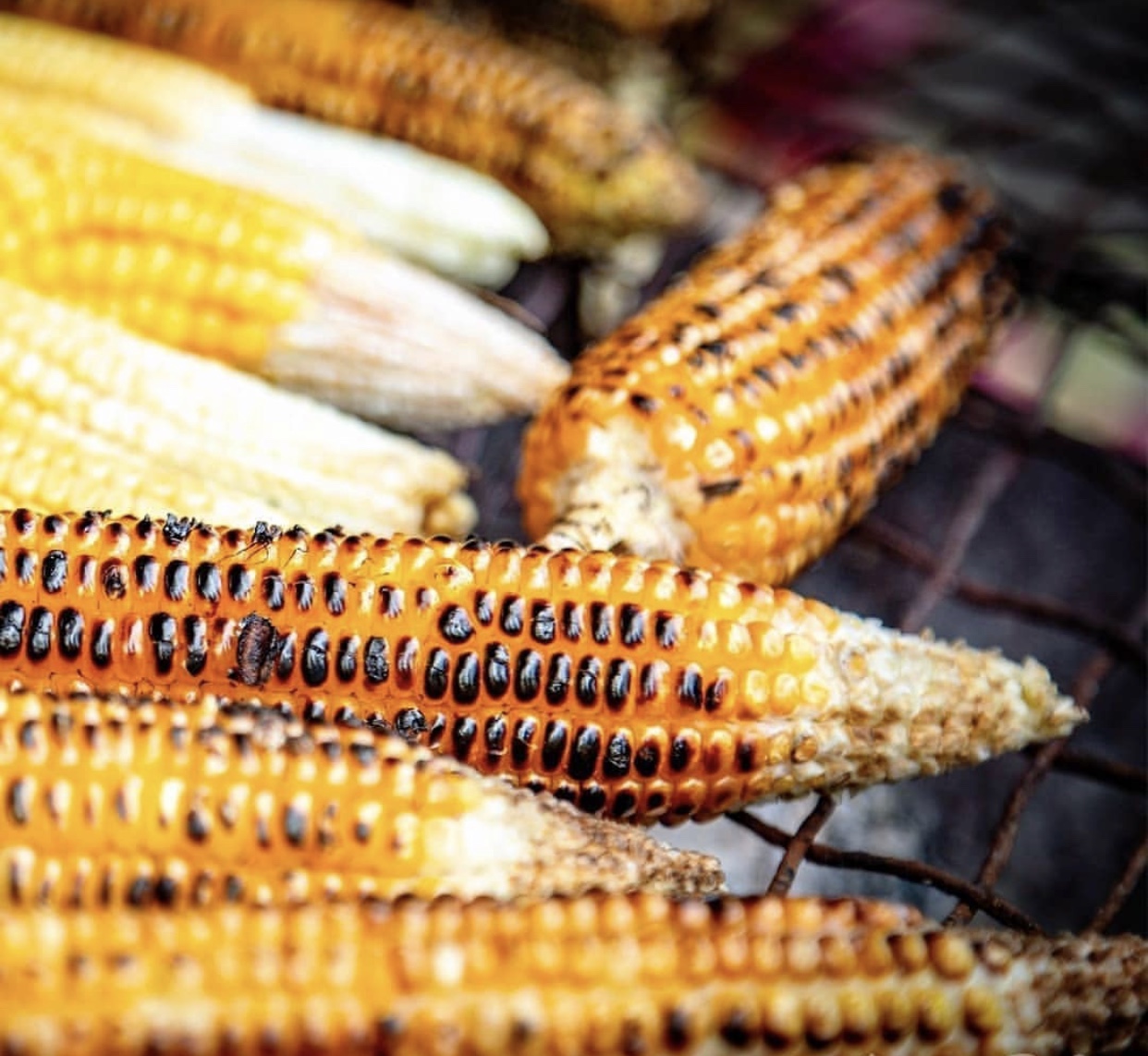
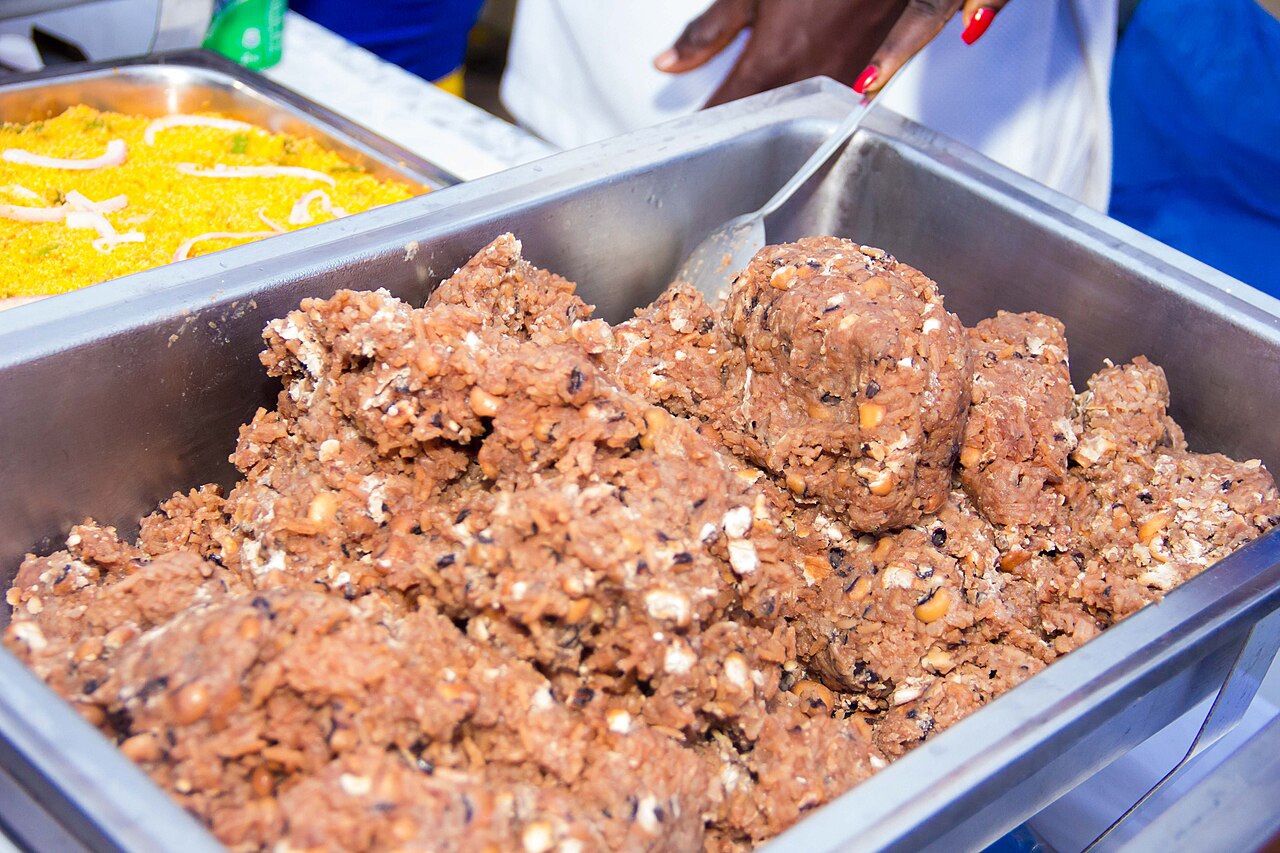
Ghanaian cuisine is defined by its use of starchy staple foods—cassava and plantain in the south, millet and sorghum in the north—alongside yam, maize, beans, sweet potatoes, and cocoyam. Globalization has introduced cereals like rice and wheat, notably in bread. Dishes made from maize include banku, kenkey, and tuozaafi; rice dishes include jollof rice, waakye, and omo tuo; cassava yields fufu, garri, and kokonte; beans appear in red red and tubaani; yam is used in ampesie, fried yam, and yam fufu.
Reader's Guide
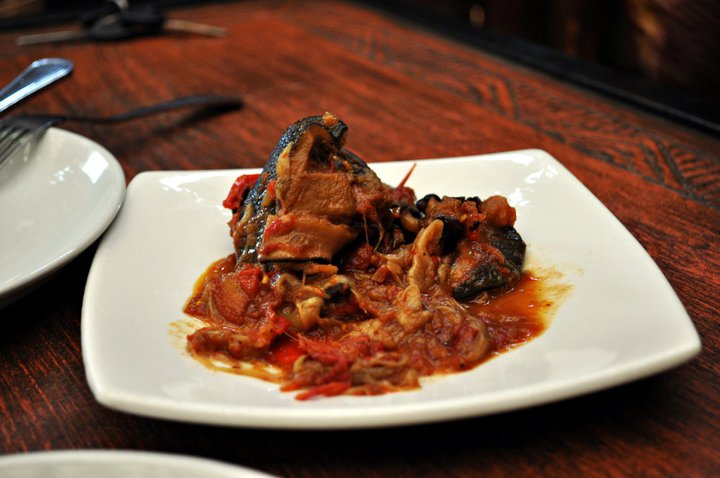
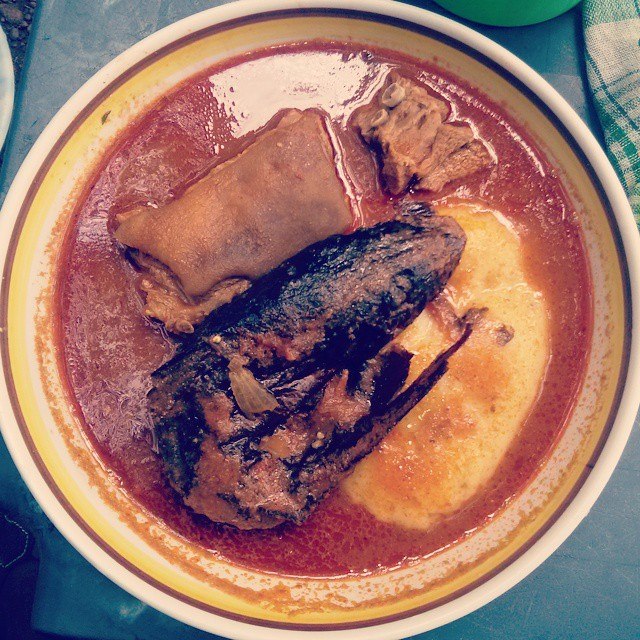
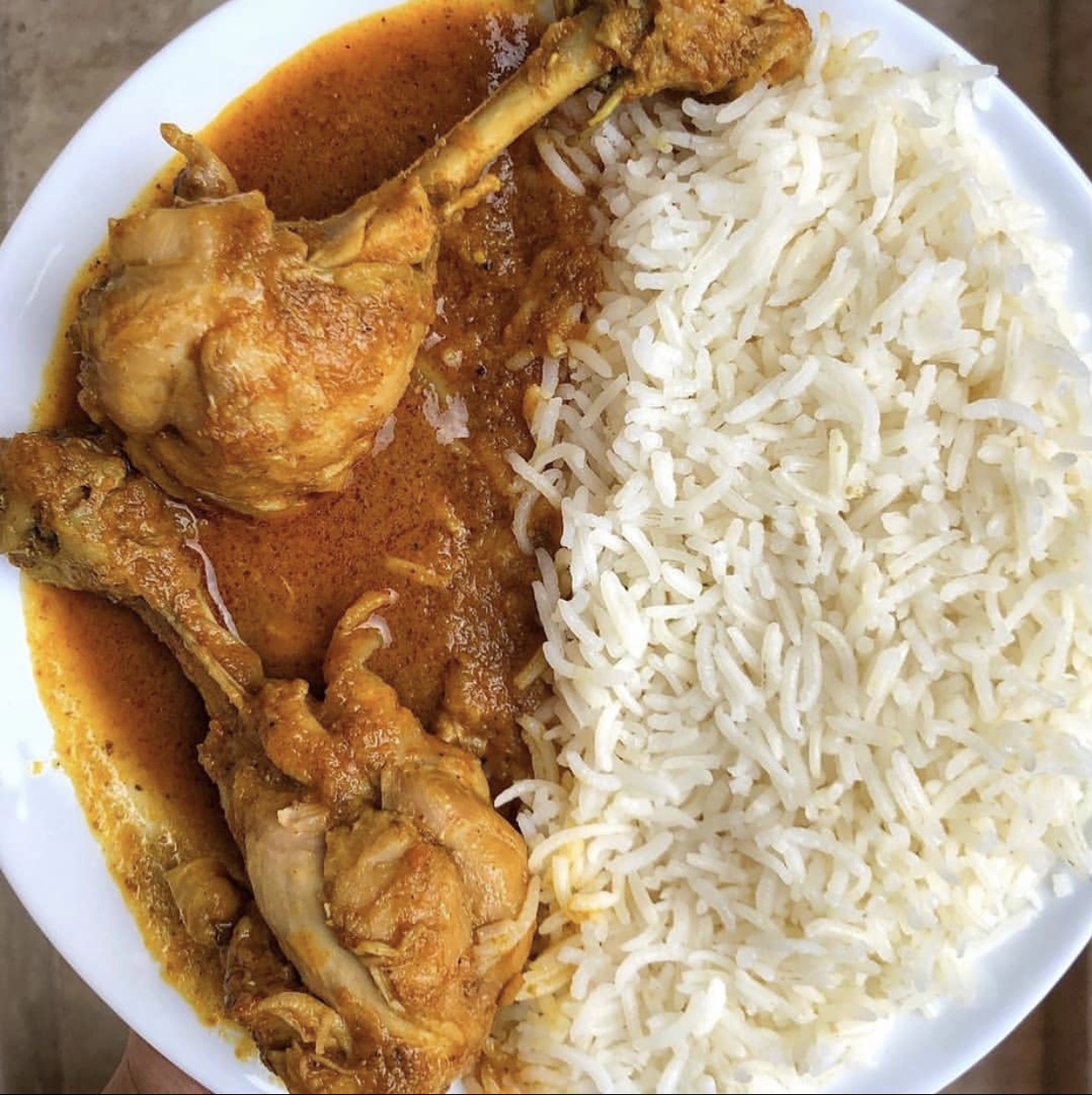
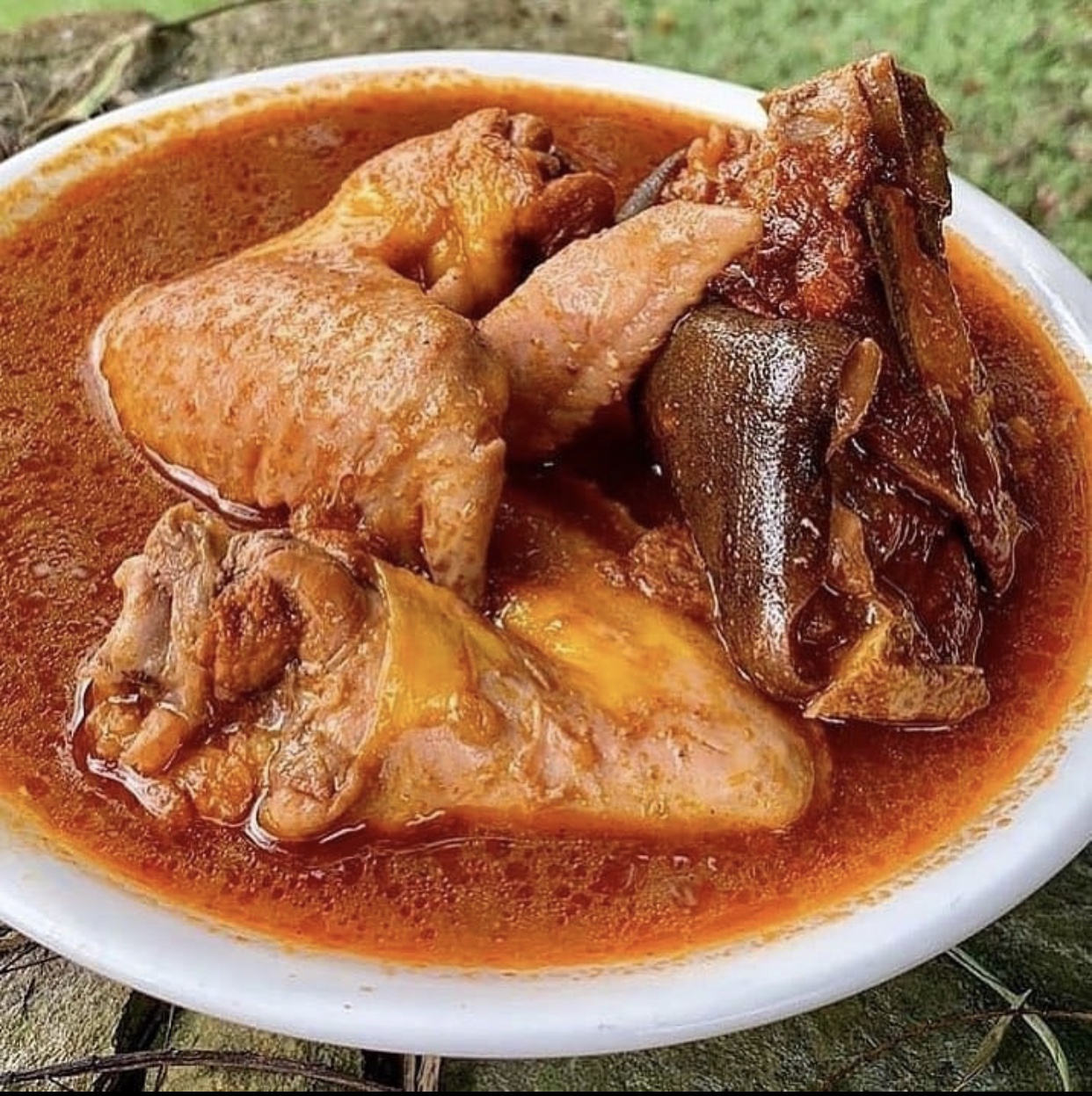
Ghanaian cuisine is significant for its integration of indigenous crops with introduced ingredients, creating a distinctive culinary identity. Soups and stews—such as groundnut soup, light tomato soup, kontomire soup, and palm nut soup—are served as main courses, not starters, and feature proteins like beef, goat, chicken, fish, and seafood. Spices like thyme, garlic, ginger, and prekese characterize the cuisine. Palm oil remains essential in specific dishes like okro stew and red red. The cuisine reflects Ghana's agricultural base and cultural diversity, with regional variations among the Ewe, Ga, Akan, and northern peoples.
Did You Know?
- Most Ghanaian jollof rice, soups, and stews appear red or orange due to tomatoes, hot peppers, and onions.
- Banku is a traditional meal of the Ga-Dangme tribe, made from slightly fermented corn and cassava dough.
- Jollof rice originated from Jolof traders from Senegal who settled in Zongo settlements before the colonial period.
- Red red is a bean and fish stew served with fried ripe plantains, named for the palm oil tint and orange plantains.
Origins and the Age of Gold
The ethnogenesis of the Ghanaian people is traced to nomadic migration originating in Nubia, traveling along the Sahara before settling in the Gold Coast region between the 10th and 16th centuries. From this foundation, early Ghanaian states built formidable kingdoms and empires that became major powers in west Africa. A pivotal moment arrived in 1471, when these communities began exchanging gold bars and other natural minerals with the Portuguese. This lucrative trade expanded over the following centuries, with Ghanaian states extending their mineral commerce to the Dutch, Prussians, and Scandinavians from the 16th through the 20th century. By the 17th century, these states ranked among the wealthiest on the entire African continent. However, this era of sovereign prosperity ended in the 19th century, when a series of Anglo-Ghanaian conflicts culminated in the United Kingdom annexing the kingdoms into the Gold Coast colony by 1902, ending centuries of independent statehood.
The Road to Sovereignty
Ghanaian nationalism experienced a pause during World War II, when Ghanaians fought alongside the Allied forces, but the movement surged back with force in 1945. The Fifth Pan-African Congress that October helped build momentum for liberalizing colonial rule, a process that accelerated after 4 August 1947. Kwame Nkrumah emerged as a central figure, founding the first governing party in Gold Coast history on 12 June 1949. His party refused to cooperate with colonial authorities and opposed the 1951 Constitution, which led to Nkrumah's incarceration alongside his collaborators. Despite this, the first elections in Gold Coast history were held on 8 February 1951, and Nkrumah's victory was confirmed on 12 February. The nationalist movement, bolstered by the Big Six, the Gold Coast Aborigines' Rights Protection Society, street strikes, and mass riots, ultimately compelled the colonial governor, the Earl of Listowel, to proclaim independence on 6 March 1957. Nkrumah became the first prime minister, and on 1 July 1960, he drafted the first Constitution of Ghana, ending British monarchical headship and establishing the republic.
A Mosaic of Peoples and Languages
Ghana's population of 34 million as of 2024 represents a remarkable tapestry of more than 100 ethnic groups, each speaking its own distinct language. The Akan constitute the largest group at 47.3%, followed by the Mole-Dagbon at 18.5%, the Ewe at 13.9%, the Ga-Dangme at 7.4%, the Gurma at 5.7%, and the Guan at 3.7%. These languages fall into nine family groups, and the government officially sponsors eleven of them, including Akuapem Twi, Asante Twi, Ewe, Fante, Ga, Dangme, Dagbani, Nzema, Ahanta, Dagaare, Gonja, and Kasena. Languages within the same ethnic group tend to be mutually intelligible. English serves as a common thread, spoken by 67% of Ghanaians. Genetically, a 2005 Y-DNA study found that indigenous Ghanaians carry 61% E1b1a, with smaller percentages of E1a at 2.2%, E1b1b at 1.1%, and the West Eurasian R1b haplogroup also at 1.1%. Native West Africans make up 98% of the population, while a smaller but growing community of Asians, Middle Easterners, and Europeans adds to the nation's diversity.
Identity, Diaspora, and the Meaning of Ghana
The very name Ghana carries the meaning warrior king, a deliberate choice made at independence in 1957 to honor the warrior-based society of the historic Ghanaian kingdoms. As the first African country to break free from European colonial rule, the nation established an identity rooted in that proud heritage. Today, 20 million persons hold Ghanaian passports, with an additional 3 to 4 million living abroad as part of an estimated 4 million-strong diaspora worldwide. The nation's urbanization rate of 4% per annum between 2010 and 2015 ranks among the highest in developing countries, with over 90% of citizens now living in urban areas, drawn by well-paid employment opportunities. Rural areas, meanwhile, remain centers of agricultural productivity. Citizenship is accessible through naturalization after seven years of permanent residency via the Ghana Card, and the state grants nationality without discrimination to long-term residents of Asian, Middle Eastern, or European origin. The most significant immigrant communities today include Africans from other nations, Indians, Chinese, various Europeans, and Lebanese and Syrian residents.
Gallery
Frequently Asked Questions
Who is Ghanaian cuisine?
Ghanaian cuisine refers to the collective cooking traditions of Ghana, built around starchy staple foods served alongside a sauce, soup, or stew plus a protein source. It draws on both indigenous crops and ingredients introduced through colonial and global trade.
What are Ghanaian cuisine's signature dishes?
The most celebrated preparations include fufu, banku, jollof rice, and hearty soups such as groundnut soup and palm nut soup. These are typically paired with a protein like fish, meat, or legumes.
What staple ingredients does Ghanaian cuisine rely on?
Core ingredients include tomatoes, hot peppers, onions, cassava, plantain, maize, yam, and rice. These form the backbone of nearly every traditional Ghanaian meal.
How did Ghanaian cuisine develop its current form?
It grew out of traditional Ghanaian food crops cultivated over centuries, then absorbed new ingredients and techniques brought during the colonial period and through broader globalization. That blend of local and foreign influences gives the cuisine its distinctive character.
Why is Ghanaian cuisine important?
It acts as a living expression of Ghanaian identity, binding communities together through shared meals and regional cooking practices. Its emphasis on locally grown staples also reflects the country's deep agricultural heritage and resourcefulness.
More in Ghanaian cuisine 1-20
Spotted an error? Know more?
This is a living reference — every entry is fact-audited, and reader corrections feed straight into our audit queue. Suggest an edit · See this site's audit record