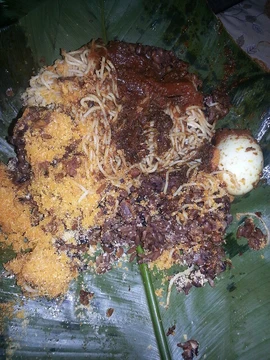
Kokonte
A West African swallow food made from dried cassava.
Kokonte—also called abeti3, lapiiwa, lapelawa, or “face the wall”—is a staple swallow dish in parts of Africa, including Togo and Ghana. In Ghana, it is eaten by most ethnic groups, such as the Ga, Akan, and Hausa. Its color ranges from brown to grey to deep green, depending on the group preparing it. The dish is made from dried cassava. Its English name is “brown fufu.”
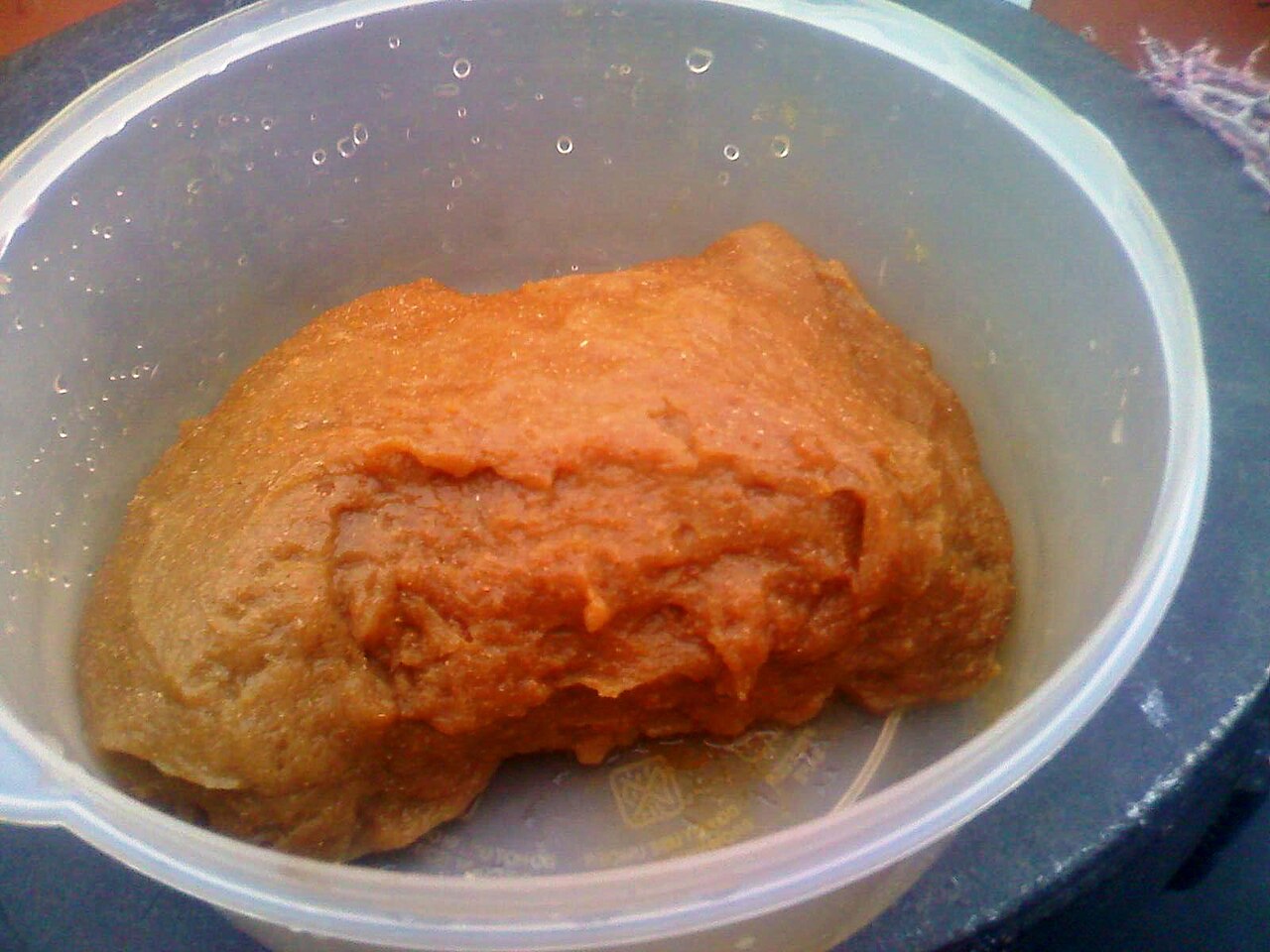
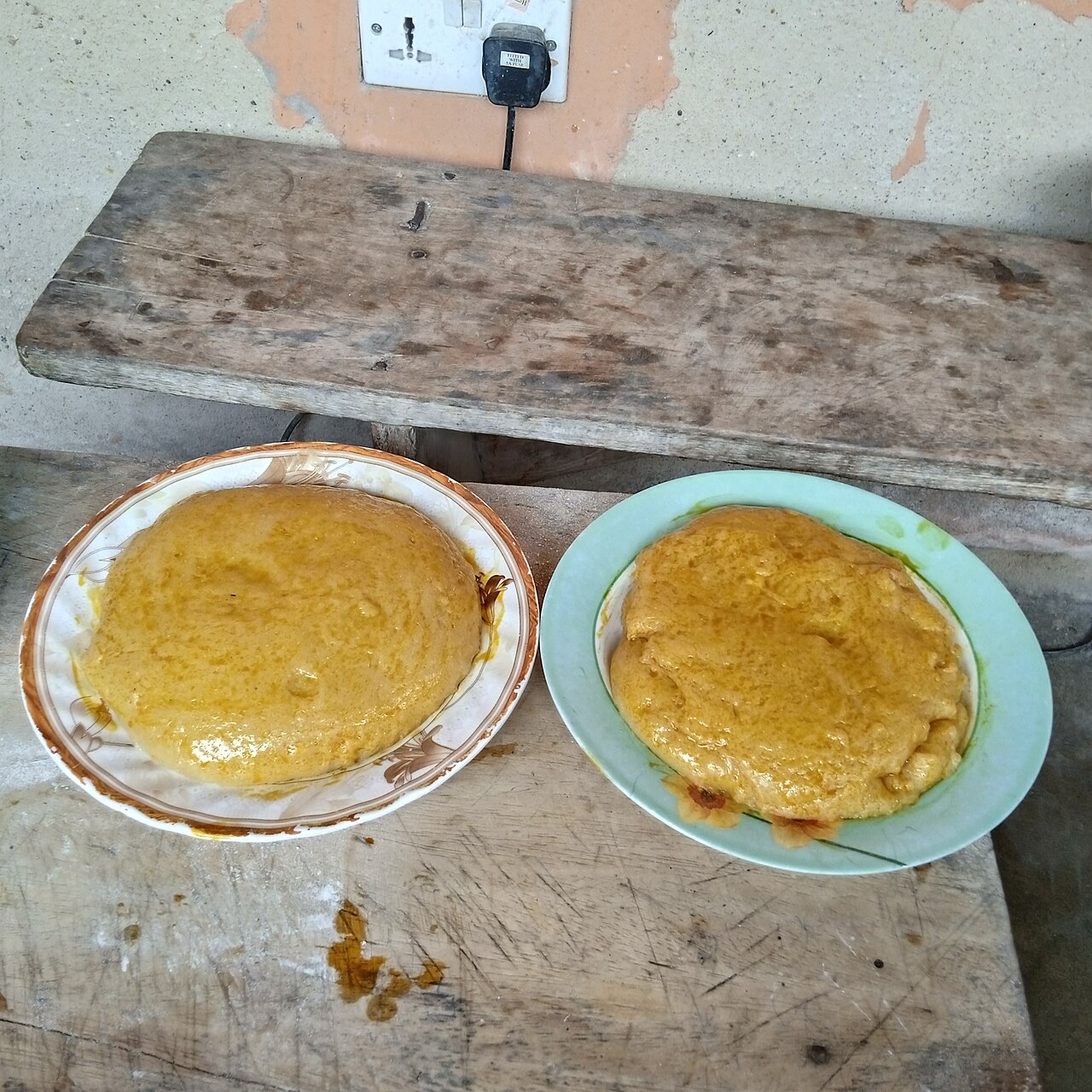
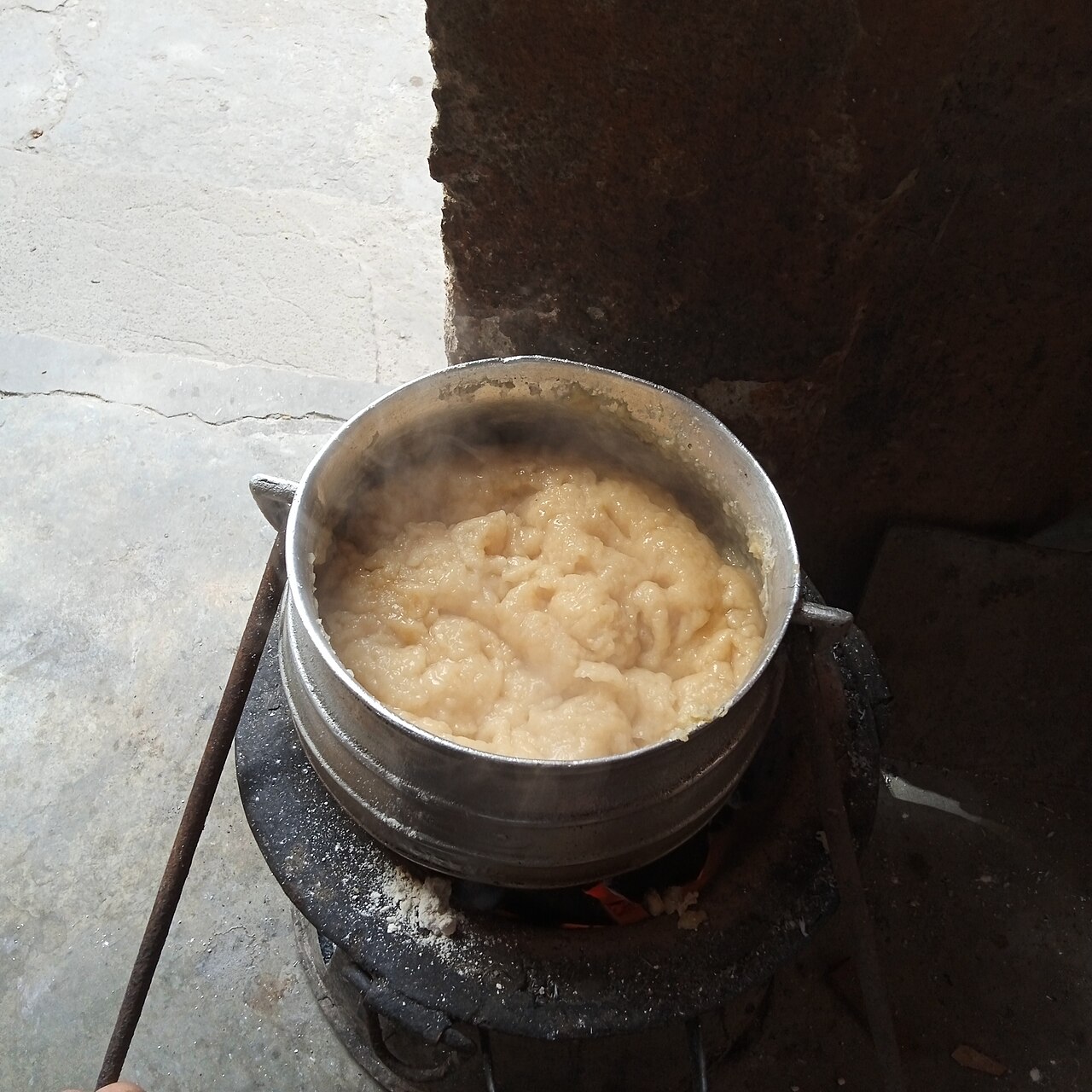
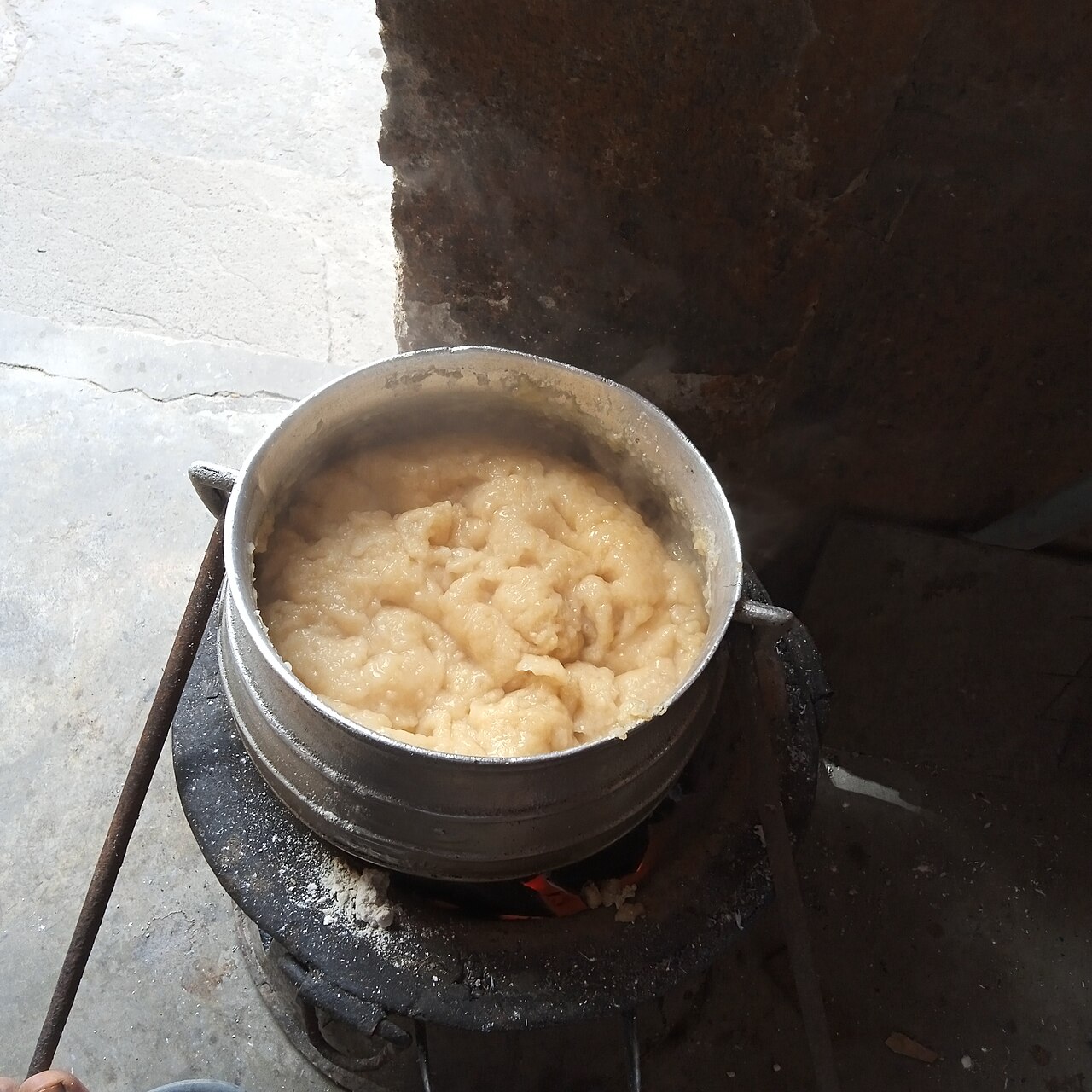
The appearance of cooked kokonte depends on the cassava variety and how long it was dried. It generally looks brownish but can also be chocolate-brown. The dish is similar to tapioca, a popular Brazilian dish also eaten in Ghana’s Volta Region.
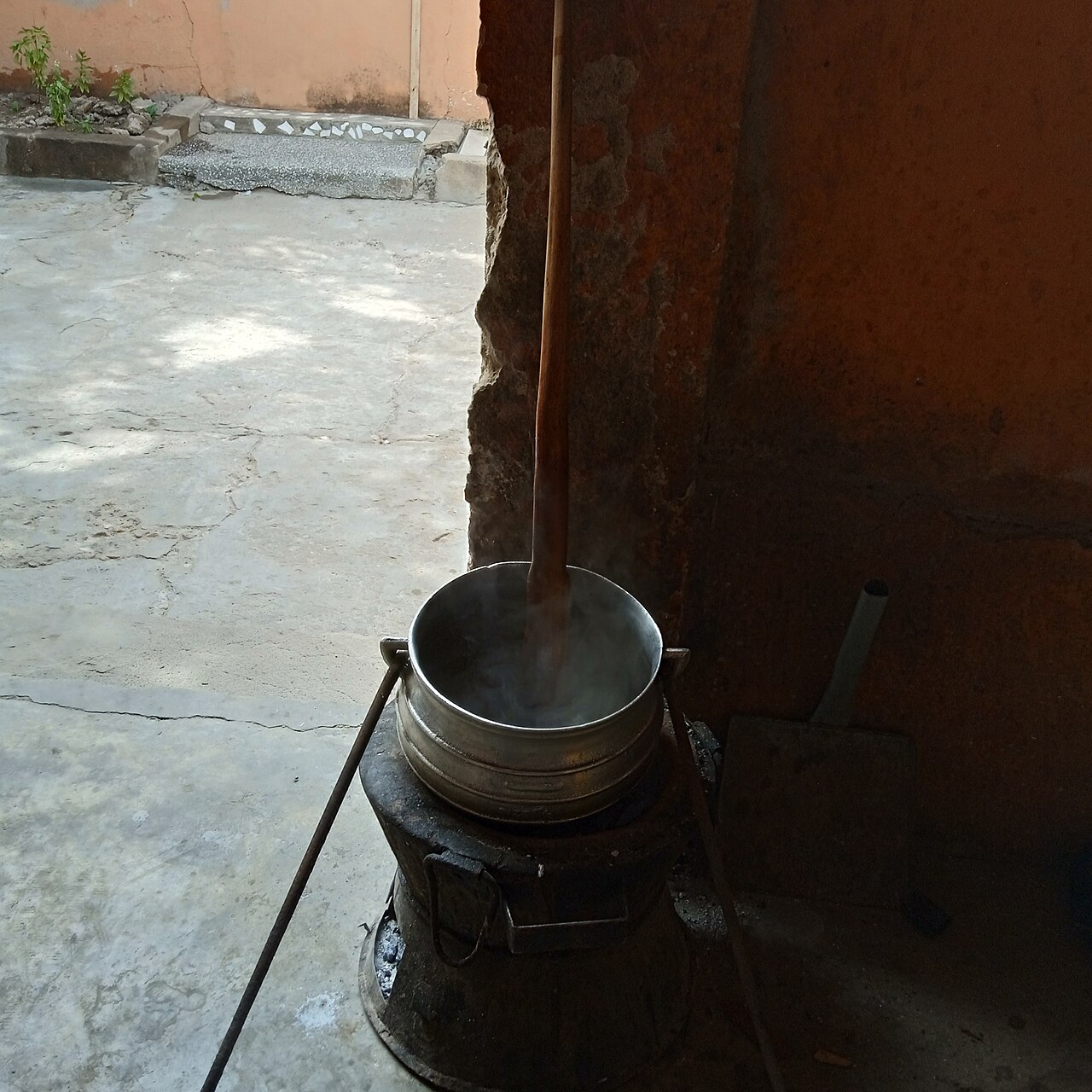
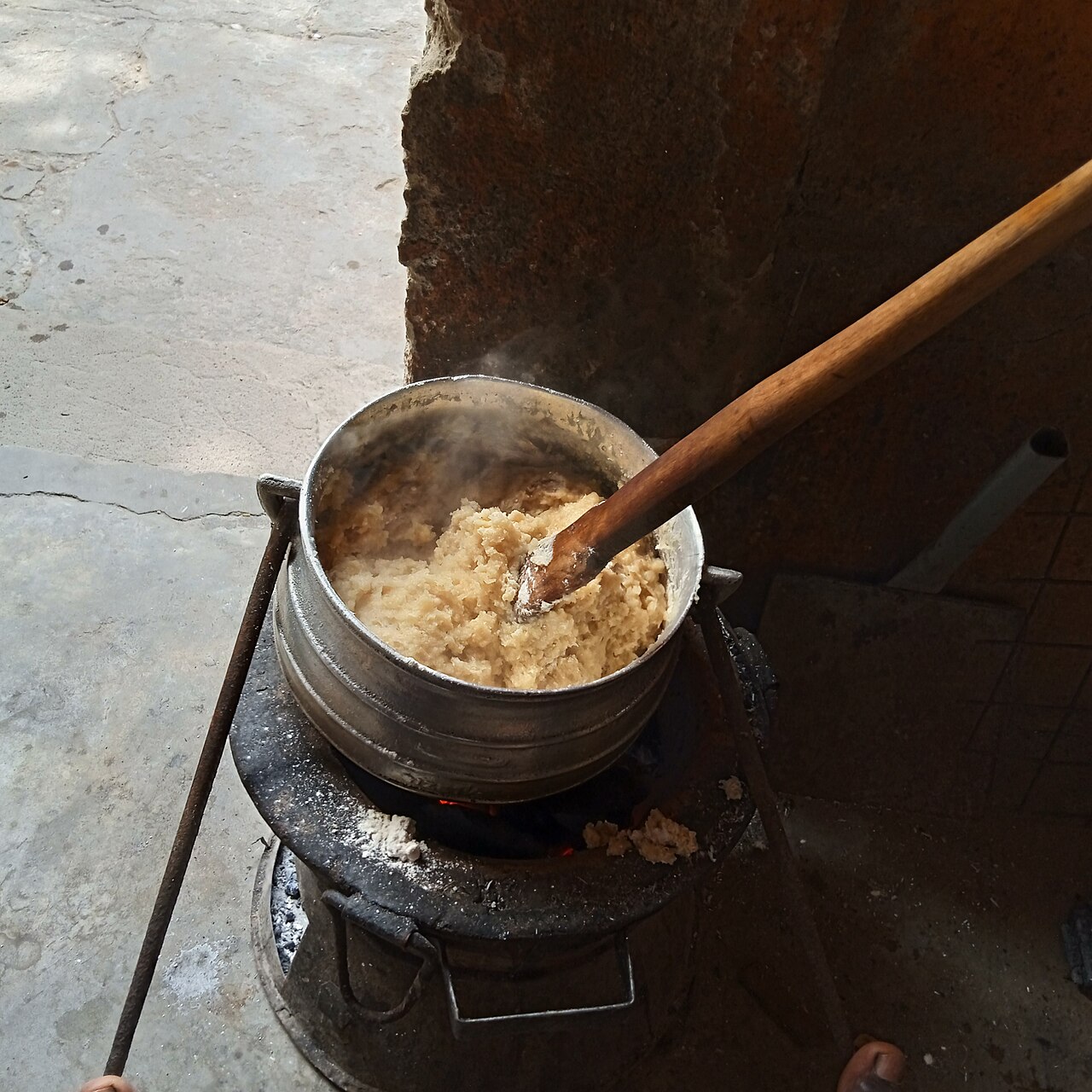
To prepare kokonte, hot water is heated on a fire. Dried cassava or yam powder is added and stirred firmly to prevent lumps. Stirring continues until the paste turns deep green, brown, or grayish. It is then served with soups like palm nut or groundnut soup.
Before cooking, cassava must be peeled. The peel can feed livestock or be used as manure. The edible part is washed, cut into chips, and dried—either in the sun or over a smoky kitchen booth called *muka* in Twi. The smoke can darken the chips, affecting the final dish’s color. Sun-drying on a wooden or aluminum tray is considered best. If undried chips are left too long, they develop a brownish algae or fungus, which also changes the appearance. Some believe this browning improves the taste. Dried chips are pounded in a mortar or ground at a mill into powder.
For cooking, the powder is mixed with room-temperature or hot water. It is stirred on the fire until it thickens, then kneaded and cooked further. If too thick, more hot water is added, covered, and kneaded until the right consistency is reached. To serve, a bowl is wet with water, a portion is placed in the middle, and the edges are drawn to the center to form a smooth ball. Soup is poured over it. Alternatively, some simply scoop a portion into a bowl and add soup on top.
- type
- Staple food
- main ingredient
- Dried cassava (manioc) flour
- also known as
- abeti3, lapiiwa, lapelawa, face the wall, brown fufu
- region
- West Africa (Ghana, Togo, Nigeria) and the Caribbean
- common accompaniments
- Palm nut soup, groundnut soup
- appearance
- Brown, grey, deep green, or chocolate-brown depending on preparation
Lore & Background
Kokonte is a simple dish made from dried and pounded cassava root. The process begins with peeling fresh cassava, washing it, cutting it into chips, and drying the chips—either in direct sunlight or over a smoky kitchen booth called an apa, which gives the chips a blackened appearance. The dried chips are then ground into powder at a mill or pounded in a mortar and pestle. The powder is cooked by stirring it with hot water on a fire until it thickens and changes color to brown, grey, or deep green, depending on the cassava type and drying method.
Reader's Guide
Kokonte is a significant staple in Ghanaian and West African cuisine, valued for its affordability and ability to feed a family with relatively little flour. It is typically served with soups such as palm nut or groundnut soup. The dish's appearance varies by ethnic group and preparation method: some prefer a whitish final product from fresh chips, while others believe the browning of chips enhances taste. The cooking technique involves kneading the paste on the fire until the right consistency is achieved, then shaping it into a smooth ball or simply scooping it into a bowl. Its similarity to tapioca and its presence in the Caribbean highlight its broader cultural reach.
Did You Know?
- Kokonte is also called 'face the wall' in some regions.
- The dish can appear brown, grey, deep green, or chocolate-brown depending on the cassava and drying method.
- Cassava chips for kokonte are sometimes dried over a smoky kitchen booth called an apa, which darkens the final dish.
- If undried cassava chips are left unattended, they may develop a brownish algae that affects the dish's appearance.
Identity and Naming
Kokonte, also known by the alternate name abete, is a traditional Ghanaian dish that belongs to the broader family of cassava-based staple foods. It is prepared from dried peeled cassava powder, placing it firmly within the southern Ghanaian culinary tradition where cassava serves as a primary staple. The dish occupies a specific niche in Ghanaian cuisine, which is fundamentally structured around the pairing of starchy staple foods with a sauce or soup and a source of protein. Unlike some of its cassava relatives that involve pounding or steaming, kokonte's identity is defined by the use of dried, peeled cassava in powdered form, giving it a distinct preparation method within the regional food landscape. The dual naming—kokonte and abete—reflects the linguistic diversity of Ghana's many ethnic groups, each contributing their own terminology to the shared culinary heritage of the country.
Preparation and Core Ingredient
The defining characteristic of kokonte lies in its core ingredient: dried peeled cassava powder. This sets it apart from other cassava preparations found throughout Ghanaian cuisine. Where fufu involves pounding cassava together with plantains, yam, or cocoyam, and where garri uses cassava flour that can be eaten dry with beans or kneaded with tomatoes and spices, kokonte specifically relies on the dried and peeled form of cassava reduced to a powder. Cassava is one of the typical staple foods in the southern part of Ghana, and its versatility is evident in the many dishes derived from it, including fufu, garri, plakali, yakayake, and kokonte itself. The use of dried, peeled cassava powder as the base ingredient gives kokonte its particular texture and preparation method, distinguishing it within this rich family of cassava-based foods that collectively represent a cornerstone of Ghanaian daily eating.
The Groundnut Soup Pairing
Kokonte is traditionally served alongside groundnut soup, a pairing that follows the fundamental structure of Ghanaian cuisine where a starchy staple is accompanied by a soup or sauce and a source of protein. The groundnut soup that accompanies kokonte typically includes some meat, with tripe and lamb being specifically noted as common protein additions to the broth. This soup-and-staple combination reflects the broader Ghanaian culinary pattern in which the primary ingredients for soups and stews include tomatoes, hot peppers, onions, and local species, resulting in dishes that often appear red or orange in color. The groundnut soup provides the liquid, flavorful component that complements the dry cassava powder base of kokonte, creating a complete meal that satisfies the traditional Ghanaian expectation of starch, soup, and protein working together as a unified dining experience.
Place in the Cassava Food Family
Within the extensive family of cassava-based dishes in Ghanaian cuisine, kokonte holds a distinctive position. It sits alongside fufu, made from pounded cassava combined with plantains, yam, or cocoyam and always accompanied by soup; garri, a cassava flour eaten dry with beans or mixed with tomatoes and spices; plakali, a cassava-only preparation similar to banku; and yakayake, an Ewe dish of steamed grated cassava. Each of these dishes transforms cassava through a different method—pounding, drying, steaming, or fermenting—and pairs it with different accompaniments. Kokonte's use of dried peeled cassava powder paired specifically with groundnut soup and meat such as tripe or lamb distinguishes it within this family. Together, these preparations illustrate how a single traditional crop grown in Ghana can be transformed into a diverse array of regional dishes, each with its own preparation technique and serving tradition, all contributing to the depth of the national food culture.
Gallery
Frequently Asked Questions
What is Kokonte?
Kokonte is a thick, starchy swallow dish from West Africa, especially popular in Ghana and Togo. It is also known locally as abeti3, lapiiwa, or lapelawa, and in English it is sometimes called "brown fufu."
What ingredient is Kokonte made from?
The base of the dish is dried cassava (manioc) flour that is cooked into a dense, chewy mass. The particular cassava variety chosen and the length of its drying period both shape the final texture and hue.
What does cooked Kokonte look like?
It most often appears brownish or chocolate-brown, but depending on the preparing community it can shift to grey or even deep green. Its dense, lumpy texture is frequently compared to tapioca.
What soups are served alongside Kokonte?
Palm nut soup and groundnut soup are the two classic pairings, providing the liquid that the thick swallow is dipped into. The dish is traditionally eaten by hand, wrapped around the fingers and scooped through the soup.
Which Ghanaian ethnic groups eat Kokonte?
It is a cross-ethnic staple enjoyed by the Ga, Akan, Hausa, and many other groups across the country. Beyond Ghana, the dish is also a traditional food in Togo, Nigeria, and parts of the Caribbean.
More in Ghanaian cuisine 1-20
Spotted an error? Know more?
This is a living reference — every entry is fact-audited, and reader corrections feed straight into our audit queue. Suggest an edit · See this site's audit record